More and more tenders ask for BIM, and smaller firms can feel locked out. The good news is that adopting BIM is a process with clear stages, not a leap in the dark. Done properly, it improves communication, shortens project cycles and cuts delivery costs.
Step one: find out where you stand
Start with an honest assessment. Over three days, following an initial meeting, we look at how your team uses 3D modelling tools, the methods and procedures you follow, whether your infrastructure supports compliance, and whether you can meet the employer’s information exchange requirements using COBie.
The result is a gap analysis setting out what needs to change, and an implementation plan built around your business rather than a generic template.

Step two: put it in place
Implementation brings together the processes, skills, hardware and software your team needs, and proves them on a pilot project before they are rolled out. A step-by-step timeline keeps the focus on what your organisation has to do to become BIM compliant and ready for certification.
Step three: certification
Certification shows your organisation meets the key European and UK standards, including ISO 19650, BS 1192, PAS 1192 and PAS 91. ISO 19650-2:2018, developed from BS 1192 and PAS 1192, is now the main standard adopted by European companies.
- It confirms the standards, methods and procedures you use are correct.
- It demonstrates compliance with recognised standards.
- It exempts you from a BIM capability assessment.
- It sets your company apart when you tender.
Train the team, not just the managers
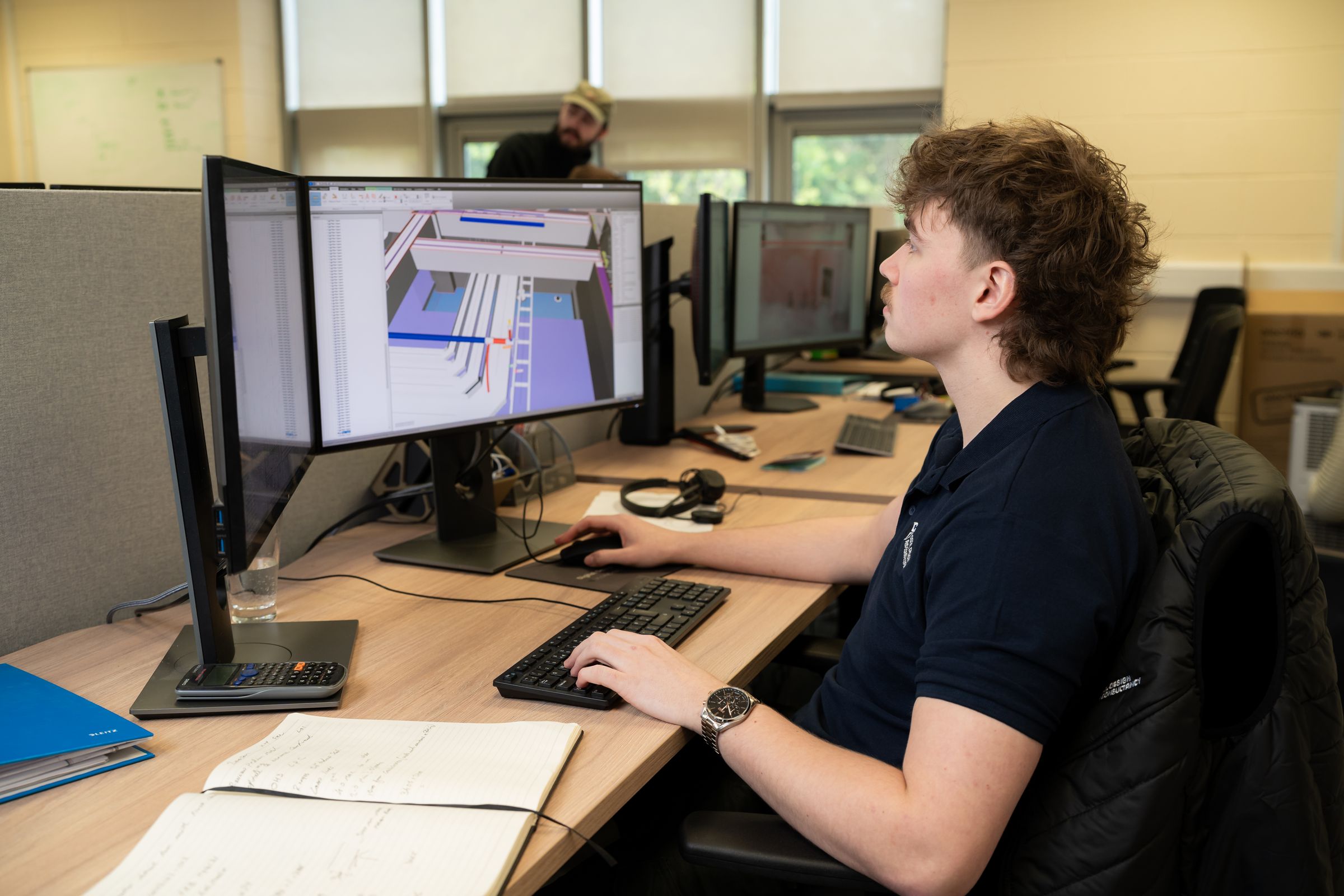
BIM only works when the people modelling every day are confident with the tools. Training should match the project’s BIM Execution Plan: a one-day BIM introduction, Revit tailored to mechanical, electrical and sprinkler teams, and the add-ons your projects call for, such as MagiCAD, HydraCAD, MEP Fabrication and AutoSprink.